Mood and Behavioral Disorders
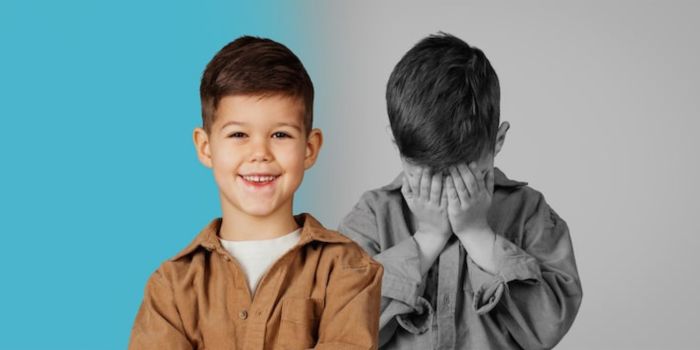
Mood and behavioral disorders are conditions where a child’s emotions and actions are significantly different from what is expected for their age. These difficulties affect their daily functioning at home, school, and in relationships.
They are not just “naughtiness” or “bad habits”, but patterns of emotional or behavioral challenges that may need professional support.
Types of Mood and Behavioral Disorders
1. Mood Disorders
- Depression – persistent sadness, loss of interest, low energy.
- Bipolar Disorder – extreme mood swings between high (mania) and low (depression).
- Disruptive Mood Dysregulation Disorder (DMDD) – frequent temper outbursts, irritability beyond what’s typical.
2. Behavioral Disorders
- Attention-Deficit/Hyperactivity Disorder (ADHD) – difficulty with attention, hyperactivity, impulsivity.
- Oppositional Defiant Disorder (ODD) – frequent anger, defiance, arguing with authority.
- Conduct Disorder (CD) – more serious rule-breaking, aggression, or harmful behavior.
Causes of Mood and Behavioral Disorders
- Biological – brain chemistry imbalance, genetic factors.
- Psychological – low self-esteem, poor coping skills.
- Environmental – family stress, inconsistent parenting, trauma, peer influence.
- Neurodevelopmental links – sometimes seen with autism, learning disabilities, or neurological conditions.
Treatment of Mood and Behavioral Disorders
1. Psychological Interventions
- Cognitive Behavioral Therapy (CBT) – to manage thoughts, emotions, behaviors.
- Parent Management Training – guiding parents with strategies for discipline, routines, and emotional support.
- Play Therapy / Expressive Therapy – for younger children.
2. Medical Support
Psychiatric consultation if required, for mood stabilization or attention issues.
3. Parent & Family Counseling
- Education about disorder.
- Training in positive reinforcement, structured routines.
- Emotional support for family stress.